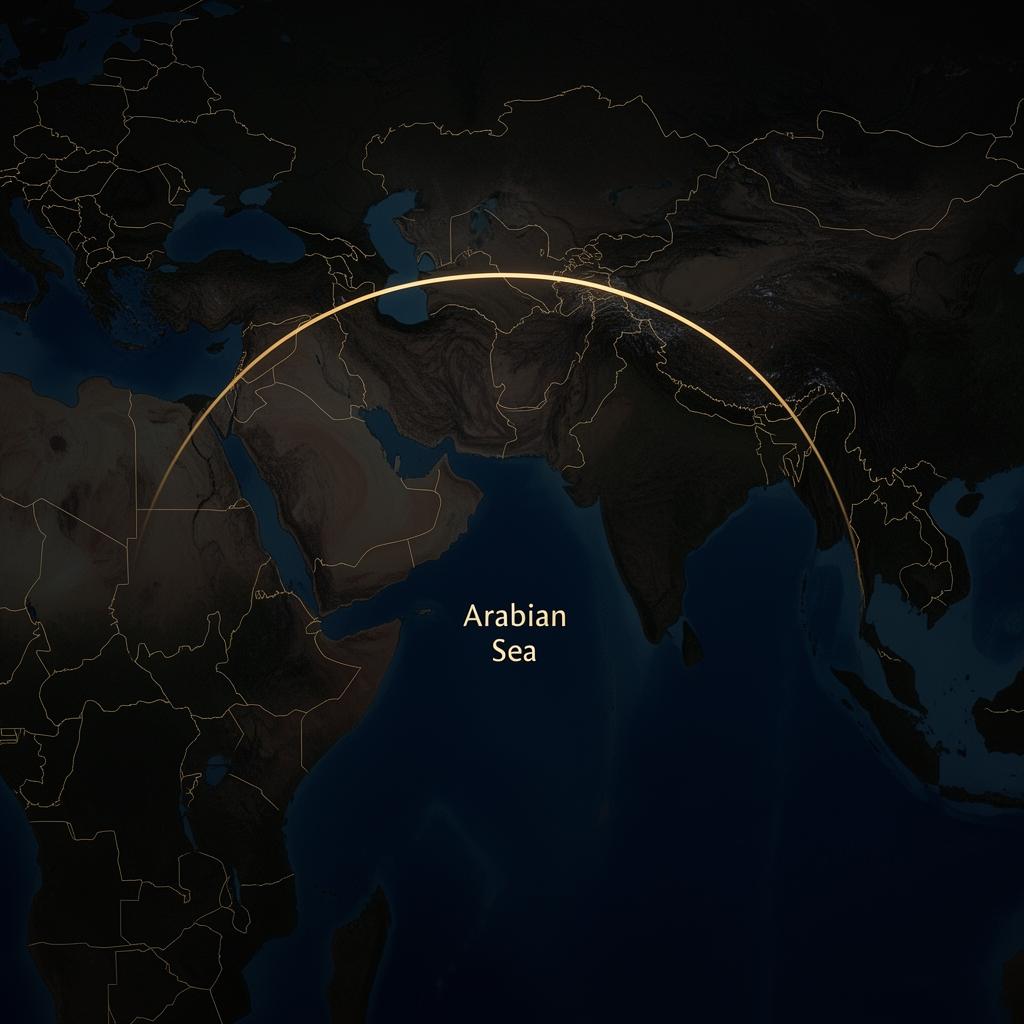
The India to GCC corridor is the most under-priced expansion play for Indian EdTech, SaaS, and consumer founders right now. Same time zones (within 1.5 hours), 9 million-strong Indian diaspora across the Gulf, payment-ready audiences, and procurement processes that — if you understand them — move faster than US enterprise cycles. The catch: almost every Indian founder I work with arrives with a playbook built for India. It does not translate.
Why the corridor matters now
The GCC has roughly $2 trillion in combined GDP, GDP per capita that rivals Western Europe, and government strategies (Vision 2030 in Saudi Arabia, We the UAE 2031, Kuwait Vision 2035) that have made EdTech, fintech, healthtech, and AI explicit national priorities. Combined with the Indian diaspora — Kuwait alone is 21% Indian — the market is closer to home than most founders realise, both culturally and commercially.
Which GCC country to enter first
Sequencing matters more than any other decision. The default founder instinct is to land in Dubai. For brand and incorporation, that's correct. For revenue, it is often wrong.
- UAE first if your motion is B2B SaaS, fintech, or anything sold to enterprises and free-zone companies. Fastest setup, English-first procurement, large Indian diaspora.
- Saudi Arabia first if you're chasing public-sector volume — EdTech for MoE, healthtech for MoH, anything Vision 2030 adjacent. Slower entry, but the contracts are 5–10x larger and competitors can't dislodge you.
- Kuwait or Qatar first if you have a strong India consumer brand and your buyer is the Indian or expat household. Smaller markets, but community-driven distribution moves fast.
- Bahrain or Oman only as expansion markets — never as a beachhead.
Mainland vs free-zone: the entity question
Free-zone entities (DMCC, IFZA, ADGM, DIFC) are fast — 2 to 4 weeks, 100% foreign ownership, no local sponsor. The trade-off: most free-zone licences cannot sell to mainland UAE companies or to government. If your buyer is enterprise or public sector, you need a mainland LLC or a dual structure. For Saudi Arabia, the choice is between a foreign branch (faster, limited activities) and a full LLC under MISA (slower, full commercial scope). Pick before you incorporate, not after — restructuring later costs 6 months and a lawyer's child's school fees.
Pricing for the Gulf
Indian SaaS pricing instincts — low ARPU, high volume, monthly billing — actively damage you in the GCC. Local buyers, both enterprise and household, equate low price with low credibility. Reset your pricing for the market, not for what you charge in Bangalore. Quote in AED or SAR, default to annual contracts, build localization and Arabic support as line items, and never lead with a discount. For institutional EdTech, a per-seat model rarely survives procurement — move to annual institutional licences with implementation fees.
Hiring your first five
- Hire one senior local commercial lead before you hire two junior BDRs. The relationships compound; the BDRs churn.
- Mix nationalities deliberately — an Emirati or Saudi national opens government doors a senior Indian hire never will, and vice versa for diaspora segments.
- Pay the regional benchmark, not the India benchmark. A 30% discount on local salary signals you don't plan to stay.
- Visas and PRO are 60% of your first-90-days operational pain. Budget for it.
The four mistakes that burn the first 18 months
- Treating the GCC as one market. Saudi is not the UAE. Kuwait is not Qatar. Six countries, six buying cultures, six regulatory stacks.
- Running the India growth playbook. Performance marketing alone does not work in trust markets. Community, referrals, and named relationships do.
- Underestimating Arabic-first localization. Not just translation — right-to-left UI, Arabic-language sales decks, and Arabic-speaking customer success.
- Flying in for week-long sprints from Bangalore. The Gulf rewards founders who are physically in the room. Either commit to being on the ground a week a month or hire someone who will.
Indian founders treat the Gulf like a distant export market. The ones who win treat it like a second home market — and staff it accordingly.
A realistic first-90-day plan
- Weeks 1–2: pick the beachhead country, lock the entity structure, line up banking and PRO.
- Weeks 3–6: 30 buyer interviews in-market. Not Zoom — in-person, in their office.
- Weeks 7–10: hire the senior local commercial lead. Localise pricing, packaging, and the top three sales artefacts.
- Weeks 11–13: first three signed pilots or paid contracts. Not LOIs. Signed.
The India to GCC corridor is one of the few expansion paths where an Indian founder can reach Western per-capita economics without flying 14 hours. But the entry tax is real: it costs time, judgement, and a willingness to abandon the playbook that got you here. Do it deliberately and the next 24 months are the best CAC-to-LTV math you'll ever see.